
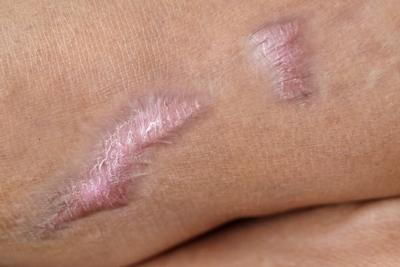
Scars are a natural part of the body’s healing process after injuries, surgeries, or skin conditions. While many scars fade over time, some remain raised, discolored, or noticeable enough to affect a person’s comfort or confidence. Scar revision procedures focus on improving the appearance of scars and helping them blend more naturally with the surrounding skin.
Understanding how scar revision works can help patients explore options for improving the appearance of visible or bothersome scars.
Why Scar Revision May Be Recommended
Scar revision is often considered when a scar causes cosmetic concerns or interferes with normal movement. Some scars become thick, raised, or uneven in color compared with nearby skin. Others may form in areas where they pull on surrounding tissue and limit flexibility.
In these cases, plastic surgeons may recommend treatment designed to soften the scar, improve skin texture, or reposition the scar so it is less noticeable.
Common Types of Scars Treated
Several types of scars may benefit from revision procedures. Hypertrophic scars are raised scars that remain within the boundaries of the original wound. Keloid scars extend beyond the original injury and may continue growing over time.
Other scars may appear depressed or uneven due to loss of underlying tissue. Surgical scars, acne scars, and scars caused by injuries may also be candidates for revision treatment depending on their size, location, and appearance.
Scar Revision Treatment Options
Plastic surgeons use a variety of techniques to improve the appearance of scars. The best approach depends on the scar’s size, depth, location, and how the surrounding skin has healed.
Options may include surgical scar revision, where the scar is carefully removed and the skin is reclosed to create a more refined appearance. Non-surgical treatments such as laser therapy, injectable treatments, or specialized skin resurfacing procedures may also be recommended to improve texture and color.
In some cases, combining treatments produces the most natural-looking results.
What Patients Can Expect
Scar revision does not remove a scar completely, but it can often make the scar less noticeable and improve how it blends with the surrounding skin. The goal is to create a smoother, more balanced appearance while maintaining healthy skin function.
Healing time and results vary depending on the type of procedure performed and the body’s natural healing process. Patients may notice gradual improvement as the skin continues to recover over several weeks or months.
When to Consult a Plastic Surgeon
If a scar causes discomfort, limits movement, or affects confidence, a consultation with a plastic surgeon can help determine whether scar revision may be appropriate. A specialist can evaluate the scar and recommend treatment options that align with the patient’s goals.
With the right treatment approach, many patients achieve noticeable improvement in the appearance and feel of their scars.